World Cup 2026 Seattle: First-Timer Guide
Seattle hosts six FIFA World Cup 2026 matches at Seattle Stadium (commonly known as Lumen Field) in Seattle, Washington, between June 15 and July 6, 2026 — including USA vs. Australia on June 19 at 12:00 PM Pacific Time. The stadium seats approximately 69,000 and is open-air with partial cover over some upper-deck seating. During the World Cup, FIFA requires all venues to use non-commercial names, so the stadium will be called “Seattle Stadium” on tickets, broadcasts, and official signage — but fans will commonly search for Lumen Field.
The single most important thing a first-timer should know is that this is one of the best-located World Cup venues in the entire tournament. The stadium sits in the SoDo district, genuinely walkable from downtown Seattle in 15–20 minutes, and the Link Light Rail's Stadium station is directly adjacent to the venue — providing a single-seat ride from Seattle-Tacoma International Airport (SEA) to the stadium gates. Seattle's summer weather is warm, dry, and nothing like the city's rainy reputation — June and July average highs of 21–24°C (70–75°F) with minimal rain and long, sunlit evenings.
The marquee verified group-stage fixture at Seattle is USA vs. Australia on June 19 — the headline match for the city and the Pacific Northwest soccer community. Seattle additionally hosts knockout-round fixtures (a Round of 32 and a Round of 16), with team placements confirmed after the group stage concludes. Your best accommodation zone is downtown Seattle or Pioneer Square, where you can walk to the stadium and access Pike Place Market, the waterfront, and Seattle's extraordinary food scene. Budget realistically for USD $160–$400 per night for accommodation (AUD $232–$580 at approximately 1 AUD = 0.69 USD), USD $35–$70 per day for food, and USD $5–$15 per day for transport. Kickoff times are subject to change — check fifa.com for the latest schedule.
Where to Stay for World Cup 2026 in Seattle
Seattle Stadium's downtown location makes accommodation delightfully simple. The stadium is in the SoDo district at the southern edge of downtown, and nearly every central neighbourhood is within walking distance or a short light rail ride.
Pioneer Square & International District
5–15 min walk to stadium · $140–300/night
Closest neighbourhoods to the stadium. Pioneer Square is Seattle's oldest — red-brick buildings, underground tours, craft cocktail bars. The International District has some of the finest Asian food on the West Coast — Vietnamese, dim sum, Japanese ramen, Filipino. Flat 5–15 minute walk along Occidental Avenue. Best for: fans who want to walk everywhere.
Downtown — Pike Place & Belltown
15–25 min walk to stadium · $180–450/night
The heart of the city. Pike Place Market, the waterfront, and the dense 1st/2nd Avenue restaurant and bar scene. The walk from Pike Place to the stadium is one of the great pre-match walks in the tournament — downhill through the historic core with Puget Sound and the Olympic Mountains behind you. Best for: most first-timers who want central Seattle.
Capitol Hill & First Hill
20–30 min to stadium via Link Light Rail · $150–350/night
Seattle's cultural heartbeat — independent bookshops, record stores, coffee roasters (where the modern specialty coffee movement began), the densest bar and restaurant concentration along Broadway and Pike/Pine. Light Rail from Capitol Hill to Stadium station is ~8 minutes. Best for: nightlife and late-running post-match scenes.
University District & North Seattle
25–40 min to stadium via Link Light Rail · $100–200/night
Most affordable Seattle base. UW campus area with budget hotels and Airbnbs. Light Rail from U District to Stadium station is ~20 minutes. Saturday farmers' market is one of the best in the Pacific Northwest. Best for: budget-conscious travellers.
How to Get to Lumen Field on Match Day
Link Light Rail from SEA Airport
Link Light Rail runs directly from SEA to downtown Seattle and beyond on a single straight line — airport to Stadium station, Pioneer Square, downtown, Capitol Hill, U District. SEA to Stadium station: ~40 minutes. SEA to Westlake (downtown): ~38 minutes. Fare USD $3.00. Trains every 8–10 minutes during peak. One of the best airport-to-stadium transit connections in the entire World Cup. Rideshare is USD $30–$45 (25–40 minutes in I-5 traffic).
Walk from Downtown (Recommended)
If you are staying downtown or in Pioneer Square, walk. The stadium is a flat 15–25 minute walk south from Pike Place Market through Pioneer Square. It is one of the most pleasant pre-match walks of any World Cup venue — downhill, through interesting streets, with mountain views.
Link Light Rail to Stadium Station
Stadium station sits directly adjacent to Lumen Field. From Westlake (downtown): 1–2 stops, ~3–5 minutes. From Capitol Hill: ~8 minutes. From the U District: ~20 minutes. Light Rail fare USD $2.25–$3.00 depending on distance. ORCA cards and contactless bank cards accepted.
Driving & Rideshare
Pre-purchased parking in lots around the stadium is USD $30–$60. Rideshare drop-off and pick-up zones are designated near the stadium — ~USD $8–$15 from downtown, though walking is faster on match days.
Post-Match Exit Strategy
Seattle handles post-match exits superbly. Stadium station sits adjacent to the venue and Sound Transit increases train frequency for major events — queues clear within 15–20 minutes. The walk back to downtown or Pioneer Square is flat, well-lit, and 15–25 minutes; many fans walk because the streets fill with post-match atmosphere along Occidental Avenue and 1st Avenue South. The smartest move: walk north into Pioneer Square, stop at one of the neighbourhood bars (Zeitgeist Coffee by day, Flatstick Pub or The Good Bar by night), let the initial crowd thin, then continue on foot or hop on Light Rail at Pioneer Square station. One of the easiest exits in the tournament.
What to Bring to a World Cup Match at Lumen Field
Clear Bag Policy
Lumen Field enforces a clear bag policy. Permitted bags are clear plastic, vinyl, or PVC up to 12" x 6" x 12" (30 x 15 x 30 cm), one-gallon clear resealable bags, or small non-clear clutches up to 4.5" x 6.5" (11.5 x 16.5 cm). The stadium is cashless. Outside food is permitted if carried in a clear bag (a rare and welcome policy).
Note: FIFA may impose additional security policies for World Cup matches beyond the stadium's standard policies. Check fifa.com and the official World Cup app for match-specific information closer to your match date.
Weather — Forget the Stereotype
Seattle in June and July is one of the most pleasant places in the United States — warm, dry, and bathed in extended Pacific Northwest daylight (sunset is after 9 PM in late June). Average highs reach 21–24°C (70–75°F) with low humidity. Rain is genuinely rare — June averages fewer than 4 rainy days and July averages fewer than 2. The stadium is open-air with partial roof cover over some upper-deck sections, but most seats are exposed. For noon kickoffs (three of the four group-stage matches start at 12:00 PM PT), the sun will be high but the temperature comfortable. The insider angle: Seattle's summer evenings are magical — the sun sets after 9 PM in late June, casting golden light across Puget Sound and the Olympic Mountains. Any evening Round of 32 or Round of 16 knockout match at Lumen Field will finish under some of the most beautiful natural light of any World Cup venue.
Essential Items
- Sunscreen — the Pacific Northwest sun is deceptively strong despite comfortable temperatures
- Sunglasses & a hat — high-angle noon sun
- Light jacket or sweater — evenings cool to ~13–15°C (55–59°F); the post-match walk can feel chilly
- Portable phone charger — for mobile-only tickets
- Credit or debit card — cashless venue
- Reusable water bottle — Seattle's tap water is excellent and refill stations are in-venue
What Does a World Cup Trip to Seattle Actually Cost?
| Category | Budget | Mid-Range | Comfortable |
|---|---|---|---|
| Accommodation / night | $120 | $220 | $400 |
| Accommodation (5 nights) | $600 | $1,100 | $2,000 |
| Match tickets (2) | $240 | $800 | $1,960+ |
| Food (5 days) | $150 | $275 | $500+ |
| Transport | $25 | $60 | $175 |
| Stadium food & drink | $40 | $60 | $100 |
| Incidentals | $50 | $125 | $250 |
| Total (USD) | $1,145 | $2,480 | $5,035+ |
| Total (AUD) | A$1,659 | A$3,594 | A$7,297+ |
All figures in USD with approximate AUD equivalent at 1 AUD = 0.69 USD. Excludes international flights. FIFA typically adds a service fee to all ticket purchases. Seattle accommodation is moderate compared to San Francisco or New York, and the city's walkability keeps transport costs low.
This guide tells you what to know. A GamePlan tells you what to do.
Get a personalised trip plan for your specific origin city, budget, group size, and travel dates. $29.
Get your GamePlan — $295 First-Timer Mistakes at World Cup Matches in Seattle
- 1. Packing for rain because “it always rains in Seattle.”
Seattle's rainy reputation is earned — but in the wrong months. June and July are the driest, warmest, and sunniest months of the year. June averages ~38 mm (1.5 in) over fewer than 4 days. You are far more likely to need sunscreen than an umbrella. Pack for warm, dry weather with a light jacket for evenings.
- 2. Taking a rideshare instead of walking or riding Light Rail.
The stadium is a flat 15–25 minute walk from downtown and 3–5 minutes from Westlake on the Light Rail. Rideshare means road closures, drop-off zones, and post-match surge. Walking through Pioneer Square is faster, free, and genuinely enjoyable.
- 3. Missing the International District on match day.
The Chinatown-International District sits between downtown and the stadium — directly on your walking route. One of the finest Asian food neighbourhoods in the US, with Vietnamese, Chinese, Japanese, and Filipino restaurants in a few walkable blocks. Pho or dim sum on the way to the stadium is a pre-match ritual most visitors only discover after the fact.
- 4. Not understanding Seattle's coffee culture before ordering.
Seattle is the birthplace of Starbucks, but the independent scene has evolved light-years beyond it. Places like Elm Coffee Roasters, Victrola, and Slate are world-class specialty roasters. Ask for a “regular coffee” and you will get a pour-over or Americano — not drip with milk and sugar. Embrace it. The coffee is extraordinary.
- 5. Treating USA vs. Australia as just another group game.
Seattle has one of the most passionate soccer cultures in the United States. Sounders FC's Emerald City Supporters regularly fill Lumen Field with 40,000+ for MLS matches — an atmosphere that rivals European football. For USA vs. Australia on June 19, the entire city will be locked in. Lumen Field is one of the loudest stadiums in the world — its design amplifies crowd noise, and Seattle Seahawks fans previously held the Guinness World Record for the loudest crowd roar.
What Matches Are Being Played in Seattle at the World Cup 2026?
Seattle hosts 1 verified World Cup 2026 group-stage matches at Lumen Field, plus knockout-round fixtures with team placements confirmed after the group stage concludes:
- June 19: USA vs Australia (Group D)
Kickoff times and knockout-round team placements are confirmed by FIFA closer to the tournament - check fifa.com for the latest schedule.
Where Is the FIFA Fan Zone in Seattle?
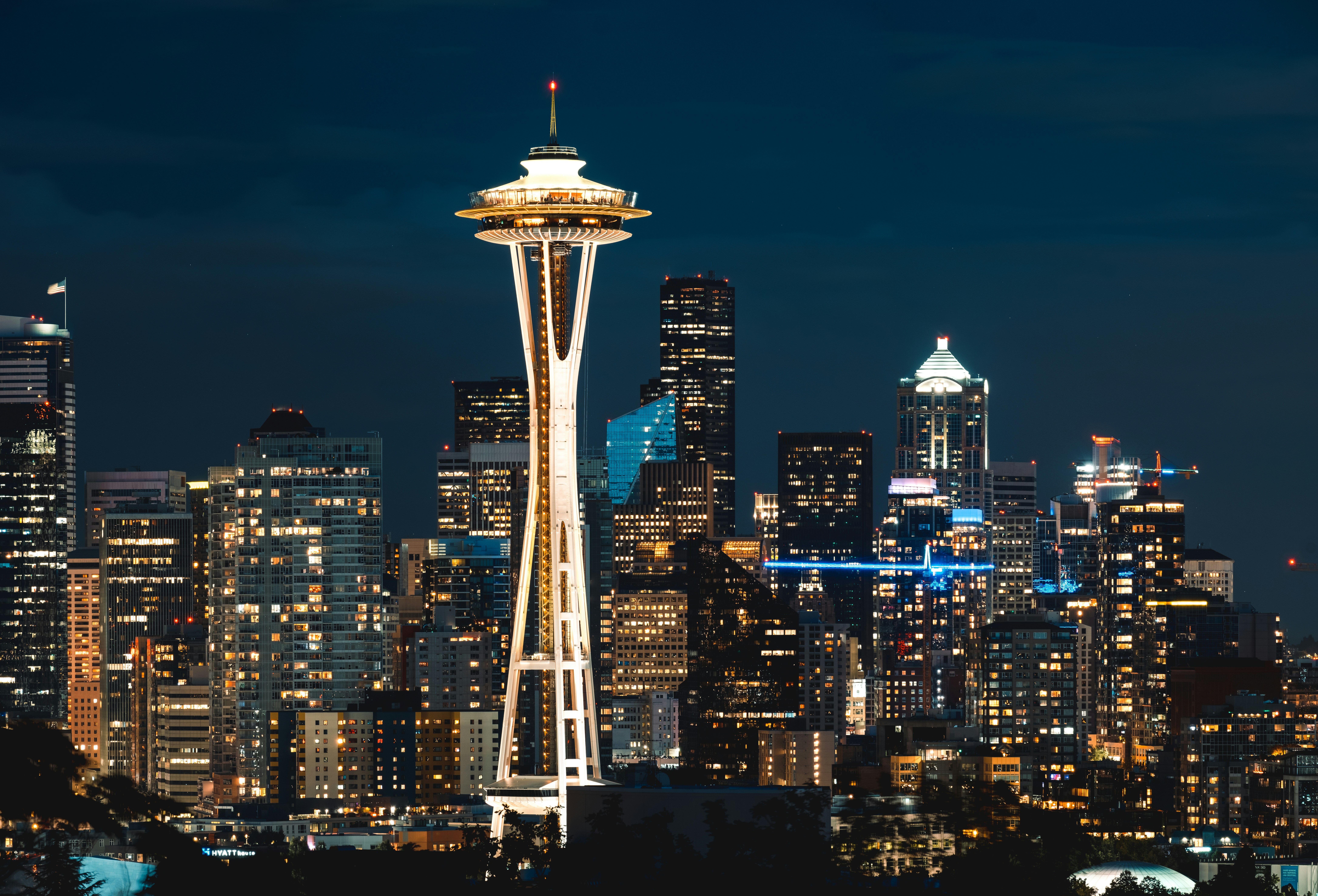
Seattle Center — home of the Space Needle — is widely expected to host the official FIFA Fan Festival, with live match screenings, food vendors, and tournament programming across the plaza and Fisher Pavilion. Exact FIFA Fan Festival locations, operating hours, and entry requirements will be confirmed by FIFA closer to the tournament — check fifa.com/fanfestival for the latest details.
Lumen Field Seating Guide — What to Expect Inside
Lumen Field seats approximately 68,700 and features a partial canopy roof over about 70% of seats — designed to reflect noise down onto the pitch, which is why it regularly ranks among the loudest stadiums in North America. The bowl is open-ended to the north, giving views of the Seattle skyline; lower-bowl sideline seats give the best match view, and the Hawks' Nest behind the south end is the most atmospheric section. The venue is fully cashless during the World Cup, and bag policy follows FIFA's clear-bag rules.
The One Thing You Cannot Miss
USA vs. Australia on June 19 — and the Pacific Northwest day around it
USA vs. Australia on June 19 at 12:00 PM Pacific Time is the match that Australian fans should build their entire World Cup trip around. It is the Socceroos' second group-stage match, and it is the only match in the entire tournament where Australia plays on US soil with a noon kickoff in a timezone that makes sense for Australian viewers — 5:00 AM AEST the following morning, perfect for a dawn watch party back home. The real insider tip is about the day itself. June 19 is Juneteenth — a US federal holiday — meaning Seattle will be in full celebration mode with many workers off. Arrive in Seattle a day early. On June 19, walk through Pike Place Market as it opens (the fishmongers start throwing fish at 9 AM and it never gets old), then continue south along the waterfront toward Pioneer Square. Stop at the International District for pho at Tamarind Tree or dim sum at Jade Garden. By 10:30 AM, the pre-match atmosphere in Pioneer Square will be building — look for Sounders supporters' groups adopting the USMNT cause and a likely March to the Match. Arrive at the stadium by 11:00 AM for the 12:00 PM kickoff. After the match (finishing around 2:00 PM), you have the entire golden Pacific Northwest afternoon — catch the ferry from Pier 52 to Bainbridge Island (35 minutes, USD $9.45), walk through the island's charming town centre, and return as the sun sets over the Olympic Mountains at 9:15 PM. A morning at Pike Place, a World Cup match in the early afternoon, and a Puget Sound ferry at sunset — a day no other World Cup host city in any country can match. Kickoff times are subject to change — check fifa.com.
Frequently Asked Questions
Why is Lumen Field called Seattle Stadium during the World Cup?+
Does it rain in Seattle during the World Cup in June and July?+
How do I get from Seattle airport to the stadium?+
What is the best way to get to Seattle Stadium on match day?+
Is Seattle Stadium covered or open-air?+
When does the USA play in Seattle at the World Cup?+
What matches are being played in Seattle at the World Cup?+
What food should I try in Seattle?+
About the Author
Written by Steve Hadfield, founder of GamePlan.travel. Steve has attended EPL matches at the Emirates and Old Trafford, the Boxing Day Ashes Test at the MCG, and the Australian Open at Melbourne Park.
Was this guide helpful?
Want the full personalised GamePlan?
This Quick Guide covers the basics. But planning match-day transport, finding the right neighbourhood to stay in, and building a realistic budget for your specific situation takes hours of research across dozens of sources. A GamePlan ($29) does that work for you — a personalised plan with a day-by-day itinerary, neighbourhood-matched accommodation picks, a match-day transport playbook, and a budget in your home currency. First-time visitors get tailored visa, tipping, and SIM guidance; travelling with a non-attending plus-one adds a standalone day plan for them.
Get your GamePlan — $29Get free guides for more World Cup cities
We're building Quick Guides for every World Cup 2026 host city. Drop your email and be the first to get them.