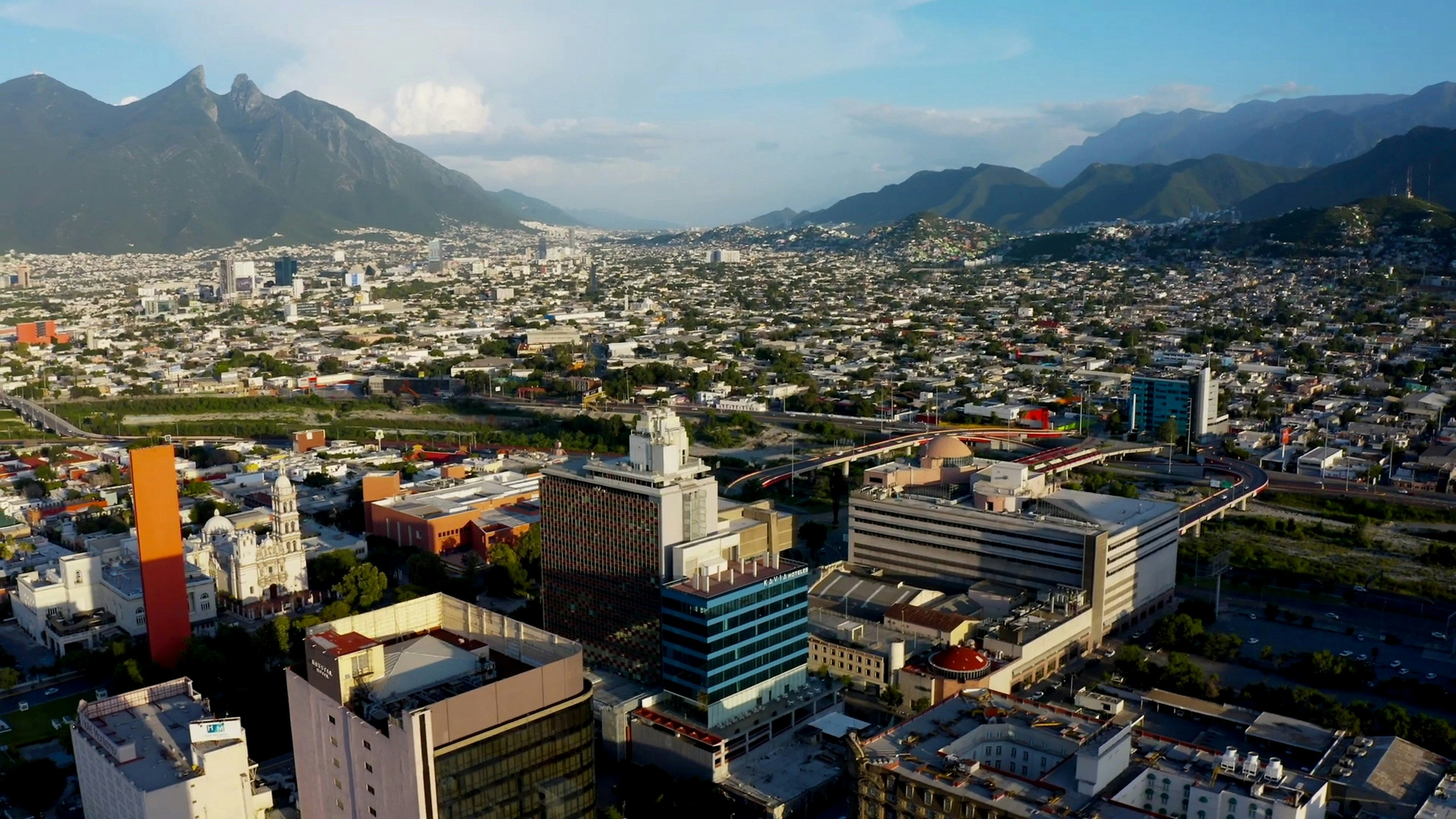
World Cup 2026 Monterrey: First-Timer Guide
Monterrey hosts four FIFA World Cup 2026 matches at Monterrey Stadium (commonly known as Estadio BBVA) in Guadalupe, a municipality within the Monterrey metropolitan area, between June 14 and June 29, 2026. The stadium seats approximately 53,000 and is open-air with a distinctive sloped roof structure that provides partial shade over some seating areas. This is the home of CF Monterrey (Rayados), one of Mexico's most successful clubs.
During the World Cup, FIFA requires non-commercial names: the stadium will be called “Monterrey Stadium” on tickets, broadcasts, and signage. The single most important thing a first-timer should know is that Monterrey's summer heat is extreme — the hottest of the three Mexican host cities, with June temperatures regularly reaching 35–40°C (95–104°F) with humidity, comparable to Houston or Dallas. All four matches have evening kickoffs, which helps, but the outdoor heat before and after the match is intense.
The four-match schedule includes three group-stage fixtures — Sweden vs. Tunisia (June 14, 8 PM local), Tunisia vs. Japan (June 19, 10 PM local), and South Africa vs. South Korea (June 24, 7 PM local) — plus a Round of 32 match (June 29, 7 PM local). Important time zone note: Monterrey uses CST (UTC-6) year-round — Mexico abolished daylight saving in 2022. In June, Monterrey is 2 hours behind US Eastern Daylight Time. Your best accommodation zone is Barrio Antiguo or Centro. Monterrey sits at just 540 metres (1,772 feet) — much lower than Mexico City or Guadalajara — so altitude is not a concern. Budget realistically for MXN $1,000–$4,000 per night for accommodation (USD $59–$235 / AUD $85–$342 at approximately 1 USD = 17 MXN, 1 AUD = 11.7 MXN), MXN $300–$800 per day for food, and MXN $50–$150 per day for transport. Most nationalities — including Australian, US, UK, and EU citizens — do not need a visa for Mexico for stays under 180 days. Kickoff times are subject to change — check fifa.com for the latest schedule.
Where to Stay for World Cup 2026 in Monterrey
Estadio BBVA sits in Guadalupe, east of Monterrey's city centre. The Metrorrey Línea 2 connects from the centre toward the stadium area, and Uber works reliably throughout the city.
Centro & Barrio Antiguo
25–40 min to stadium via Metro/Uber · MXN $1,000–3,000/night
The best zone for most visitors. Barrio Antiguo is Monterrey's historic entertainment district — narrow streets, colonial architecture, live music bars, craft cocktails. Adjacent to the Macroplaza and MARCO museum. The Santa Lucía Riverwalk connects to Fundidora Park in a pleasant 30-minute stroll. Best for: most first-timers who want nightlife and culture.
San Pedro Garza García
30–45 min to stadium via Uber · MXN $2,000–5,000/night
Monterrey's wealthiest municipality — Mexico's highest per-capita income area. Upscale restaurants, premium shopping on Calzada del Valle. Westin and Fiesta Americana are excellent. Further from the stadium but outstanding dining. Best for: luxury travellers and fine dining.
Valle Oriente
25–35 min to stadium via Uber · MXN $1,500–4,000/night
Modern business district — glass towers, malls, chain hotels. JW Marriott and Hilton Monterrey Valle. Centre of Monterrey's growing craft beer scene (Cervecería Fauna, Cervecería Dos Aves). Functional and well-connected. Best for: comfort and craft beer seekers.
Guadalupe — Near the Stadium
10–20 min to stadium via Uber · MXN $800–2,000/night
Closest zone to the stadium. Primarily Airbnb and local hotels. Residential and suburban but eliminates match-day transport stress — you can walk home after the match. Best for: stadium proximity and post-match ease.
How to Get to Estadio BBVA on Match Day
Monterrey Airport (MTY) to Your Hotel
General Mariano Escobedo Airport is ~25 km northeast of the centre. Uber to Centro or Barrio Antiguo: MXN $250–$400 (USD $15–$24), 25–40 minutes. Official airport taxis also available. Ecovía BRT connects near the airport toward the Metro but is less practical with luggage.
Uber (Recommended for Visitors)
From Centro or Barrio Antiguo: MXN $100–$200 (USD $6–$12), 25–35 minutes. Request at least 60–90 minutes before kickoff — traffic around Guadalupe intensifies on match days and evening rush hour compounds the problem.
Metrorrey (Light Rail)
Metrorrey Línea 2 runs east from central Monterrey toward Guadalupe. The closest station provides access though you may need a short walk or connecting bus. Check SITEUR/Metrorrey for the nearest station and any World Cup event service.
Post-Match Exit Strategy
Uber surge 2–4x after the final whistle. Walk 10–15 minutes from the stadium before requesting. If you drove, 20–40 minutes to exit. The smartest move: eat dinner at a taco stand near the stadium, let the surge clear for 30–45 minutes, then Uber home. Evening matches end ~9–10 PM local, leaving the entire late evening for Barrio Antiguo's nightlife if you're staying in the centre.
What to Bring to a World Cup Match at Estadio BBVA
Clear Bag Policy
Estadio BBVA enforces a clear bag policy for major events. Clear plastic bags no larger than 12" x 6" x 12" and small non-clear clutches up to 4.5" x 6.5" are typically permitted. Check the FIFA World Cup app closer to your match date.
Note: FIFA may impose additional security policies for World Cup matches beyond the stadium's standard policies. Check fifa.com and the official World Cup app for match-specific information closer to your match date.
Weather — The Hottest Mexican Venue
Monterrey is the hottest of the three Mexican host cities — significantly hotter than Mexico City or Guadalajara. June highs reach 35–38°C (95–100°F) with humidity, and 40°C (104°F) is not unusual. Heat index can exceed 43°C (110°F). Unlike the altitude-cooled cities, Monterrey sits at just 540 metres and retains heat into the evening. All four matches have evening kickoffs (7 PM, 8 PM, or 10 PM local) — but temperatures at kickoff will still be above 30°C. The stadium's distinctive sloped roof provides partial shade primarily on the west side; the east is more exposed. June is the start of rainy season — afternoon storms are possible but less consistent than Mexico City. The insider angle: the roof design channels air through the bowl, creating a noticeable breeze that makes the interior feel cooler than the surrounding streets.
Essential Items
- Sunscreen — SPF 50+ even for evening matches; the pre-match sun is powerful
- Hat & sunglasses
- Sealed water bottle — check stadium policy for specifics
- Portable phone charger
- Cash in small-denomination pesos — for street food and taxis outside the stadium
- Compact rain poncho — for possible afternoon showers
- Translation app — Monterrey has even less English spoken in daily life than Mexico City or Guadalajara
What Does a World Cup Trip to Monterrey Actually Cost?
| Category | Budget | Mid-Range | Comfortable |
|---|---|---|---|
| Accommodation / night | MXN $800 | MXN $2,000 | MXN $4,000 |
| Accommodation (5 nights) | MXN $4,000 | MXN $10,000 | MXN $20,000 |
| Match tickets (2) | MXN $4,080 | MXN $10,200 | MXN $17,000+ |
| Food (5 days) | MXN $1,250 | MXN $3,000 | MXN $6,000+ |
| Transport | MXN $100 | MXN $750 | MXN $1,750 |
| Incidentals | MXN $400 | MXN $1,250 | MXN $2,500 |
| Total (MXN) | $9,830 | $25,200 | $47,250+ |
| Total (USD) | $578 | $1,482 | $2,779+ |
| Total (AUD) | A$840 | A$2,154 | A$4,038+ |
All figures in MXN with USD and AUD equivalents at approximately 1 USD = 17 MXN, 1 AUD = 11.7 MXN. Excludes international flights. FIFA typically adds a service fee to all ticket purchases. Like Mexico City and Guadalajara, Monterrey's affordability stretches your budget remarkably.
This guide tells you what to know. A GamePlan tells you what to do.
Get a personalised trip plan for your specific origin city, budget, group size, and travel dates. $29.
Get your GamePlan — $295 First-Timer Mistakes at World Cup Matches in Monterrey
- 1. Underestimating Monterrey's extreme heat.
Monterrey in June is not Mexico City or Guadalajara — it bakes at 35–40°C with humidity. Heat index can reach 43°C+ (110°F). Drink water constantly. Avoid prolonged outdoor activity between noon and 4 PM. Air-conditioned malls, museums, and restaurants are your daytime refuge.
- 2. Expecting a chaotic developing-world city.
Monterrey is Mexico's industrial and business capital — home to CEMEX, FEMSA, Alfa. San Pedro Garza García is one of the richest municipalities in Latin America. The highways, malls, and business districts look more like Houston or Dallas than the Mexico most tourists imagine.
- 3. Not exploring beyond the stadium and your hotel.
Fundidora Park — a former steel foundry transformed into a massive urban park — is one of the most impressive regeneration projects in the Americas. The Santa Lucía Riverwalk, MARCO museum, and Cerro de la Silla views make Monterrey a city worth knowing.
- 4. Not trying cabrito and the regional food.
Cabrito — roasted baby goat slow-cooked over mesquite — is Monterrey's signature dish and one of the great meat traditions of the Americas. El Gran Pastor and El Rey del Cabrito are legendary. Machaca burritos, flour tortillas, and the craft beer scene are distinctly northern Mexican.
- 5. Not downloading offline Spanish translation.
Monterrey is a business city, not a tourist city. English is limited outside international hotels. Having offline Spanish translation on your phone lets you order food, ask directions, and connect with people in a way that pointing and hoping never will.
What Matches Are Being Played in Monterrey at the World Cup 2026?
Monterrey hosts 4 verified World Cup 2026 group-stage matches at Estadio BBVA, plus knockout-round fixtures with team placements confirmed after the group stage concludes:
- June 14: Sweden vs Tunisia (Group F)
- June 20: Tunisia vs Japan (Group F)
- June 23: Mexico vs Czechia (Group A)
- June 25: Japan vs Sweden (Group F)
Kickoff times and knockout-round team placements are confirmed by FIFA closer to the tournament - check fifa.com for the latest schedule.
Where Is the FIFA Fan Zone in Monterrey?
The FIFA Fan Festival location for this host city is to be confirmed by FIFA — likely hubs mentioned in host-city planning include Fundidora Park and the Macroplaza in Monterrey's city centre. Check fifa.com/fanfestival for the confirmed venue, operating hours, and entry requirements closer to the tournament.
Estadio BBVA Seating Guide — What to Expect Inside
Estadio BBVA seats approximately 53,500 and is an open-air venue with partial roof coverage over the stands but no roof over the pitch — expect strong sun for daytime kickoffs and the dramatic silhouette of Cerro de la Silla visible behind one end. Sightlines are steep and intimate; lower-tier sideline seats give the best match view, and the ends tend to hold the loudest supporter atmosphere. The venue is expected to operate cashless during the World Cup, and bag policy follows FIFA's clear-bag rules.
The One Thing You Cannot Miss
Fundidora Park in the morning, cabrito at night, and a World Cup match in between
On a non-match day, take a morning trip to Fundidora Park before the heat sets in. The park occupies the grounds of a steel foundry that operated from 1900 to 1986, powering Mexico's industrialisation for nearly a century. Walk among the preserved blast furnaces and smokestacks in the early morning light, when the mountains behind the city glow pink. Visit the Centro de las Artes inside the former factory buildings. Then retreat to the air-conditioned brewery taprooms in Valle Oriente or Barrio Antiguo. In the evening, eat cabrito at El Gran Pastor — whole baby goats turning slowly over coals, carved to order with flour tortillas, salsa, and beans. And on match night, take the Metro or an Uber east to Estadio BBVA, where the dramatic silhouette of Cerro de la Silla rises behind the stadium and 53,000 people fill a bowl that amplifies sound like few venues in the world. Monterrey is not the Mexico of postcards — it is the Mexico that built itself. Kickoff times are subject to change — check fifa.com.
Frequently Asked Questions
Why is Estadio BBVA called Monterrey Stadium during the World Cup?+
How hot does it get in Monterrey during the World Cup?+
Is Monterrey safe for World Cup visitors?+
How do I get to Estadio BBVA from downtown Monterrey?+
What time zone is Monterrey in during the World Cup?+
Do I need a visa for Mexico?+
What makes Monterrey different from Mexico City?+
What matches are being played in Monterrey at the World Cup?+
About the Author
Written by Steve Hadfield, founder of GamePlan.travel. Steve has attended EPL matches at the Emirates and Old Trafford, the Boxing Day Ashes Test at the MCG, and the Australian Open at Melbourne Park.
Was this guide helpful?
Want the full personalised GamePlan?
This Quick Guide covers the basics. But planning match-day transport, finding the right neighbourhood to stay in, and building a realistic budget for your specific situation takes hours of research across dozens of sources. A GamePlan ($29) does that work for you — a personalised plan with a day-by-day itinerary, neighbourhood-matched accommodation picks, a match-day transport playbook, and a budget in your home currency. First-time visitors get tailored visa, tipping, and SIM guidance; travelling with a non-attending plus-one adds a standalone day plan for them.
Visit gameplan.travel to get yoursGet free guides for more World Cup cities
We're building Quick Guides for every World Cup 2026 host city. Drop your email and be the first to get them.