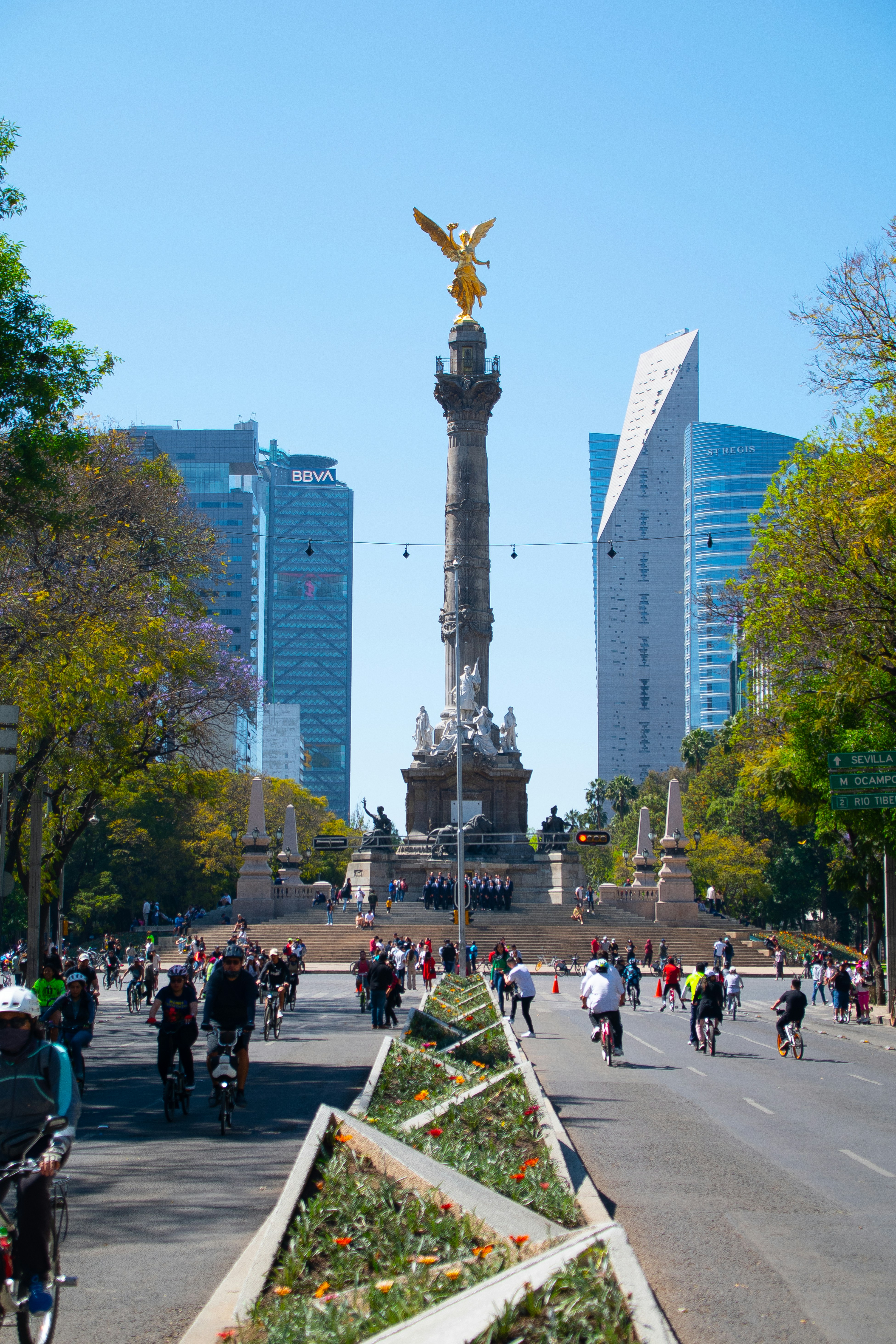
World Cup 2026 Mexico City: First-Timer Guide
Mexico City hosts five FIFA World Cup 2026 matches at Mexico City Stadium (the legendary Estadio Azteca, recently known commercially as Estadio Banorte) in the Coyoacán borough, between June 11 and July 5, 2026 — including the tournament's opening match: Mexico vs. South Africa on June 11. This is the most historically significant World Cup venue on earth. Estadio Azteca hosted the 1970 World Cup final where Pelé lifted the trophy with Brazil, and the 1986 quarter-final where Maradona scored both the Hand of God and the Goal of the Century against England. No other stadium has hosted two World Cup finals. The venue seats approximately 87,000 and is open-air.
During the World Cup, FIFA requires non-commercial names: tickets, broadcasts, and signage will read “Mexico City Stadium,” though fans worldwide will search for Estadio Azteca. The single most important thing a first-timer should know is altitude. Mexico City sits at 2,240 metres (7,350 feet) above sea level. Most international visitors will experience some altitude effects during their first 24–48 hours — headaches, shortness of breath, fatigue, and disrupted sleep are common and normal. This is not dangerous for healthy adults, but it will affect your energy levels and alcohol tolerance. Arrive at least one day before your match to acclimatise.
Two verified group-stage fixtures are at Azteca — Mexico vs. South Africa (June 11) and South Korea vs. South Africa (June 23) — plus a Round of 32 and a Round of 16 with team placements confirmed after the group stage concludes. Your best accommodation zone is Roma or Condesa, where Mexico City's celebrated food scene, walkable tree-lined streets, and world-class restaurants are concentrated. Budget realistically for MXN $1,500–$5,000 per night for accommodation (USD $88–$294 / AUD $128–$426 at approximately 1 USD = 17 MXN, 1 AUD = 11.7 MXN), MXN $400–$1,000 per day for food (USD $24–$59 / AUD $34–$85), and MXN $50–$200 per day for transport (USD $3–$12 / AUD $4–$17). Mexico City is likely the most affordable World Cup destination in the entire 2026 tournament. Most nationalities — including Australian, US, UK, and EU citizens — do not need a visa for Mexico for stays under 180 days. Kickoff times are subject to change — check fifa.com for the latest schedule.
Where to Stay for World Cup 2026 in Mexico City
Estadio Azteca sits in the Coyoacán borough in the south of Mexico City, accessible via Metro Line 2 (the Blue Line) from the city centre. Most visitors will stay in the central neighbourhoods and commute to matches — the Metro journey takes approximately 30–45 minutes.
Roma & Condesa
30–45 min to stadium via Metro/Uber · MXN $1,500–4,500/night
The heart of Mexico City's celebrated food and culture scene — tree-lined boulevards, Art Deco architecture, sidewalk cafés, mezcal bars, and world-class restaurants including Pujol. Calle Álvaro Obregón through Roma Norte has the densest concentration of remarkable restaurants in the city. Best for: most international visitors.
Centro Histórico
25–40 min to stadium via Metro (Line 2 direct) · MXN $1,000–3,500/night
The historic heart — the Zócalo, Palacio de Bellas Artes, Templo Mayor (Aztec ruins), and Diego Rivera murals. Metro Line 2 runs directly from Zócalo to Estadio Azteca — no transfer needed. More affordable than Roma/Condesa. Best for: history-first travellers on a budget.
Polanco
40–55 min to stadium via Metro/Uber · MXN $4,000–10,000+/night
Mexico City's most upscale neighbourhood — Four Seasons, St. Regis, JW Marriott, Avenida Presidente Masaryk luxury boutiques. Fine dining at a fraction of comparable quality in New York. Best for: luxury travellers.
Coyoacán
10–20 min to stadium via Metro/Uber · MXN $1,200–3,000/night
Closest major neighbourhood to the stadium. Bohemian colonial-era borough — cobblestone streets, Frida Kahlo Museum (Casa Azul), leafy plazas, outstanding street food. Primarily Airbnb. The main plaza on match days will be extraordinary. Best for: atmosphere and proximity on match day.
How to Get to Estadio Azteca on Match Day
From Mexico City Airport (MEX) to Your Hotel
Benito Juárez International Airport sits within the city — ~10 km east of Centro Histórico, ~12 km from Roma/Condesa. Official airport taxis (buy a ticket inside the terminal at the “Taxi Autorizado” booth): MXN $300–$500 (USD $18–$29). Uber: MXN $200–$400 (USD $12–$24). Metro Line 5 connects Terminal Aérea to the city centre, but navigating with luggage is challenging for first-timers.
Metro Line 2 — Blue Line (Recommended)
Metro Line 2 runs directly to Estadio Azteca station, adjacent to the venue. From Zócalo (Centro Histórico): ~25–35 minutes, no transfer. From Roma/Condesa: Line 1 from Insurgentes to Pino Suárez, transfer to Line 2 southbound, ~35–45 minutes total. Fare: MXN $5 (~USD $0.30) per ride — the cheapest transit in the entire World Cup. The Metro is modern, extensive, and handles 4 million+ riders daily.
Uber & Rideshare
From central neighbourhoods: MXN $150–$300 (USD $9–$18) but can take 40–60 minutes in match-day traffic. Metrobús Line 1 along Insurgentes Avenue connects to Metro Line 2 as an alternative if Line 2 platforms are crowded.
Post-Match Exit Strategy
Estadio Azteca station on Metro Line 2 will be extremely crowded after matches — expect 30–45 minutes of queuing. The Metro runs until midnight, sufficient for all scheduled kickoffs. For Uber, walk at least 10–15 minutes away from the stadium before requesting — surge pricing near the gates will be intense. Walk north toward Coyoacán and request from there. The smartest move: stay in Coyoacán and walk home, or use the Metro's volume — it handles enormous crowds regularly and the queues, while long, move steadily. Do not try to drive or take a taxi from the stadium immediately after the match.
What to Bring to a World Cup Match at Estadio Azteca
Clear Bag Policy
Estadio Azteca enforces a clear bag policy for major events. Clear plastic bags no larger than 12" x 6" x 12" and small non-clear clutches up to 4.5" x 6.5" are typically permitted. Check the official FIFA World Cup app closer to your match date for specific policies.
Note: FIFA may impose additional security policies for World Cup matches beyond the stadium's standard policies. Check fifa.com and the official World Cup app for match-specific information closer to your match date.
Weather & Altitude
June is the beginning of the rainy season, but the pattern is predictable: mornings are usually clear and sunny, with afternoon thunderstorms between 3:00 and 6:00 PM lasting 30–60 minutes, followed by clear evenings. Temperatures are remarkably mild — averaging 15–25°C (59–77°F) — thanks to the 2,240-metre altitude. The stadium is open-air with no roof. For the opening match on June 11 (2 PM local), expect warm sun with the possibility of a late-afternoon shower. Evening matches (8–9 PM kickoffs) will be cooler and typically dry.
Altitude is the critical factor.At 2,240 metres, the air contains approximately 25% less oxygen than at sea level. You will feel this — stairs wind you faster, alcohol hits harder, sleep may be disrupted, and headaches are common for the first 24–48 hours. Drink plenty of water from the moment you land. Avoid heavy meals and excessive alcohol on your first day. Locals recommend “agua de jamaica” (hibiscus iced tea, available everywhere) and eating lightly. The altitude also affects the ball — it travels faster and further, which historically has created more spectacular long-range goals at Estadio Azteca.
Essential Items
- Sunscreen — for daytime matches
- Compact rain poncho — more reliable than an umbrella in a stadium during afternoon showers
- Light jacket — for evening matches; 15°C at 9 PM is cooler than most expect
- Portable phone charger — for mobile-only tickets and translation apps
- Cash in small-denomination pesos — MXN $20, $50, $100 notes for street food and smaller vendors (the stadium itself is likely cashless)
- Spanish phrasebook or translation app — the Metro, stadium precinct, and street food vendors operate primarily in Spanish
What Does a World Cup Trip to Mexico City Actually Cost?
| Category | Budget | Mid-Range | Comfortable |
|---|---|---|---|
| Accommodation / night | MXN $1,000 | MXN $2,500 | MXN $5,000 |
| Accommodation (5 nights) | MXN $5,000 | MXN $12,500 | MXN $25,000 |
| Match tickets (2) | MXN $4,080 | MXN $11,900 | MXN $21,080+ |
| Food (5 days) | MXN $1,500 | MXN $3,500 | MXN $7,500+ |
| Transport | MXN $100 | MXN $750 | MXN $2,000 |
| Stadium food & drink | MXN $400 | MXN $700 | MXN $1,200 |
| Incidentals | MXN $500 | MXN $1,500 | MXN $3,000 |
| Total (MXN) | $11,580 | $30,850 | $59,780+ |
| Total (USD) | $681 | $1,815 | $3,516+ |
| Total (AUD) | A$990 | A$2,636 | A$5,100+ |
All figures in MXN with USD and AUD equivalents at approximately 1 USD = 17 MXN, 1 AUD = 11.7 MXN. Excludes international flights. FIFA typically adds a service fee to all ticket purchases. Mexico City is likely the most affordable World Cup destination in the entire 2026 tournament.
This guide tells you what to know. A GamePlan tells you what to do.
Get a personalised trip plan for your specific origin city, budget, group size, and travel dates. $29.
Get your GamePlan — $295 First-Timer Mistakes at World Cup Matches in Mexico City
- 1. Ignoring the altitude and arriving on match day.
Mexico City sits at 2,240 metres. Headaches, breathlessness on stairs, disrupted sleep, and lower alcohol tolerance are near-universal for visitors from sea-level cities. Arrive at least one full day before your match. Drink water constantly. Eat lightly. Skip the mezcal on night one. By day two, most people feel significantly better.
- 2. Not using the Metro because it seems intimidating.
The Mexico City Metro is one of the best urban transit systems in the Americas — extensive, frequent (trains every 2–3 minutes at peak), and MXN $5 (~USD $0.30) per ride. Line 2 runs directly to Estadio Azteca station. The system uses pictographic station symbols (designed for literacy accessibility) that make navigation intuitive even without Spanish.
- 3. Eating only at tourist-facing restaurants.
Mexico City's food culture is one of the great culinary treasures of the world — but the best of it is not in the places with English menus. Seek out taco stands with the longest local queues. Visit Mercado de San Juan for exotic ingredients and fresh seafood. Walk through Mercado de Coyoacán for tamales, tlacoyos, and fresh juices.
- 4. Assuming Mexico City is unsafe and restricting yourself to Polanco.
Mexico City is a major global capital of 22 million people. Roma, Condesa, Polanco, Centro Histórico, and Coyoacán are well-policed, vibrant, and full of tourists. Use the same common sense you would in any large city: stay aware, use Uber at night rather than street taxis. The city's cultural richness and human warmth are extraordinary — do not miss them by staying in your hotel.
- 5. Not learning basic Spanish phrases.
Mexico City is a working capital of 22 million where Spanish is the primary language. The Metro, street food vendors, and the stadium neighbourhood operate almost entirely in Spanish. Learn “por favor,” “gracias,” “la cuenta,” “dónde está,” and “una cerveza.” Even basic attempts at Spanish are met with genuine warmth.
What Matches Are Being Played in Mexico City at the World Cup 2026?
Mexico City hosts 2 verified World Cup 2026 group-stage matches at Estadio Azteca, plus knockout-round fixtures with team placements confirmed after the group stage concludes:
- June 11: Mexico vs South Africa (Group A)
- June 23: South Korea vs South Africa (Group A)
Kickoff times and knockout-round team placements are confirmed by FIFA closer to the tournament - check fifa.com for the latest schedule.
Where Is the FIFA Fan Zone in Mexico City?
The Zócalo in Mexico City's Centro Histórico is widely expected to host the official FIFA Fan Festival, with live match screenings, food vendors, and programming throughout the tournament. Exact FIFA Fan Festival locations, operating hours, and entry requirements will be confirmed by FIFA closer to the tournament — check fifa.com/fanfestival for the latest details.
Estadio Azteca Seating Guide — What to Expect Inside
Estadio Azteca seats approximately 87,000 and is an open-air venue with partial roof coverage over much of the upper tiers — but sitting at 2,240 metres elevation, bring sun protection and expect strong midday UV plus cool evenings. The bowl is a two-tier design with the famous steep lower tier; lower-tier sideline seats behind the benches deliver the best match view, and the upper tier gives a panoramic tactical overview. The venue is expected to operate cashless during the World Cup, and bag policy follows FIFA's clear-bag rules.
The One Thing You Cannot Miss
The opening match — Mexico vs. South Africa on June 11
The opening match of the 2026 FIFA World Cup — Mexico vs. South Africa on June 11 at Mexico City Stadium — is not just a football match. It is a ceremony of reunion between the world's game and its most sacred venue. Estadio Azteca is the only stadium on earth that has hosted two World Cup finals. On June 21, 1970, Pelé lifted the Jules Rimet trophy here after Brazil's 4–1 victory over Italy — a match many consider the greatest World Cup final ever played. On June 22, 1986, Maradona scored two goals in five minutes at this ground — the Hand of God followed by the Goal of the Century, a 60-metre dribble past six English players that remains the most replayed moment in football history. When Mexico walk onto this pitch on June 11, 2026, it will be the first World Cup match at Estadio Azteca in 40 years. The stadium will hold approximately 87,000 people. The noise will be unlike anything you have experienced. But the insider tip is about the hours before. Arrive in Coyoacán by late morning. Walk through the Frida Kahlo Museum (book tickets online in advance — it sells out), then eat at one of the taco stands along Coyoacán's cobblestone central plaza. By early afternoon, follow the growing river of green-shirted Mexico supporters south toward the stadium — the fan march to Estadio Azteca on the day of the opening match will be one of the defining images of the entire tournament. No other single day, at any other venue, in any World Cup in history, sees the weight of football's past, the passion of a host nation, and the promise of the tournament ahead converge like this. Kickoff times are subject to change — check fifa.com.
Frequently Asked Questions
Why is Estadio Azteca called Mexico City Stadium during the World Cup?+
Is Mexico City safe for World Cup visitors?+
Will I get altitude sickness in Mexico City?+
Do I need a visa for Mexico?+
Do I need to speak Spanish in Mexico City?+
How do I get to Estadio Azteca by public transport?+
What is the weather like in Mexico City in June?+
What matches are being played in Mexico City at the World Cup?+
About the Author
Written by Steve Hadfield, founder of GamePlan.travel. Steve has attended EPL matches at the Emirates and Old Trafford, the Boxing Day Ashes Test at the MCG, and the Australian Open at Melbourne Park.
Was this guide helpful?
Want the full personalised GamePlan?
This Quick Guide covers the basics. But planning match-day transport, finding the right neighbourhood to stay in, and building a realistic budget for your specific situation takes hours of research across dozens of sources. A GamePlan ($29) does that work for you — a personalised plan with a day-by-day itinerary, neighbourhood-matched accommodation picks, a match-day transport playbook, and a budget in your home currency. First-time visitors get tailored visa, tipping, and SIM guidance; travelling with a non-attending plus-one adds a standalone day plan for them.
Get your GamePlan — $29Get free guides for more World Cup cities
We're building Quick Guides for every World Cup 2026 host city. Drop your email and be the first to get them.